Ethical Boutique Fashion Online: Shop Consciously
Posted on septembre 01 2026

Table of Contents
- What Defines Ethical Boutique Fashion
- How to Identify Ethical Fashion Brands
- Sustainable Clothing Brands Canada: Local and Online Options
- Affordable Ethical Fashion Pieces Worth Your Money
- Benefits of Shopping Local Boutique Fashion
- Building a Capsule Wardrobe with Ethical Pieces
- Why Cost-Per-Wear Matters in Ethical Shopping
- Frequently Asked Questions
Last Updated: September 2, 2026
What Defines Ethical Boutique Fashion
Ethical boutique fashion is clothing designed, produced, and sold with intentional regard for the people who make it, the environment it impacts, and the animals involved in its creation. Unlike mass-produced fast fashion, ethical boutique pieces prioritize transparency, fair labor practices, sustainable materials, and conscious consumption over rapid trend cycles and disposable clothing.
At Betty Be Good Boutique, we believe ethical fashion means more than a feel-good label. It's about knowing where your clothes come from, who made them, and whether the business behind them operates with integrity. Ethical boutiques curate collections from brands that prove their commitments through certifications, supply chain transparency, and genuine social responsibility, not just marketing claims.
The distinction matters. A fast-fashion retailer might use organic cotton in one collection while exploiting garment workers in another. An ethical boutique, by contrast, applies consistent standards across every piece it stocks. You're not just buying a garment; you're supporting a business model that aligns your wardrobe with your values.
How to Identify Ethical Fashion Brands
Spotting a genuinely ethical brand takes more than reading marketing copy. Real ethical fashion brands back up their claims with verifiable proof, not vague promises.
Check for Supply Chain Transparency
A brand serious about ethics opens its supply chain to scrutiny. Look for businesses that publicly name their manufacturers, share factory locations, and explain their production processes. This transparency matters because it's hard to fake, if a brand won't say where or how something is made, that's a red flag.
Ethical brands often publish detailed supply chain reports, factory audits, or third-party certifications. Some go further and invite customers to visit production facilities or share worker stories. That willingness to be held accountable signals genuine commitment rather than surface-level greenwashing.
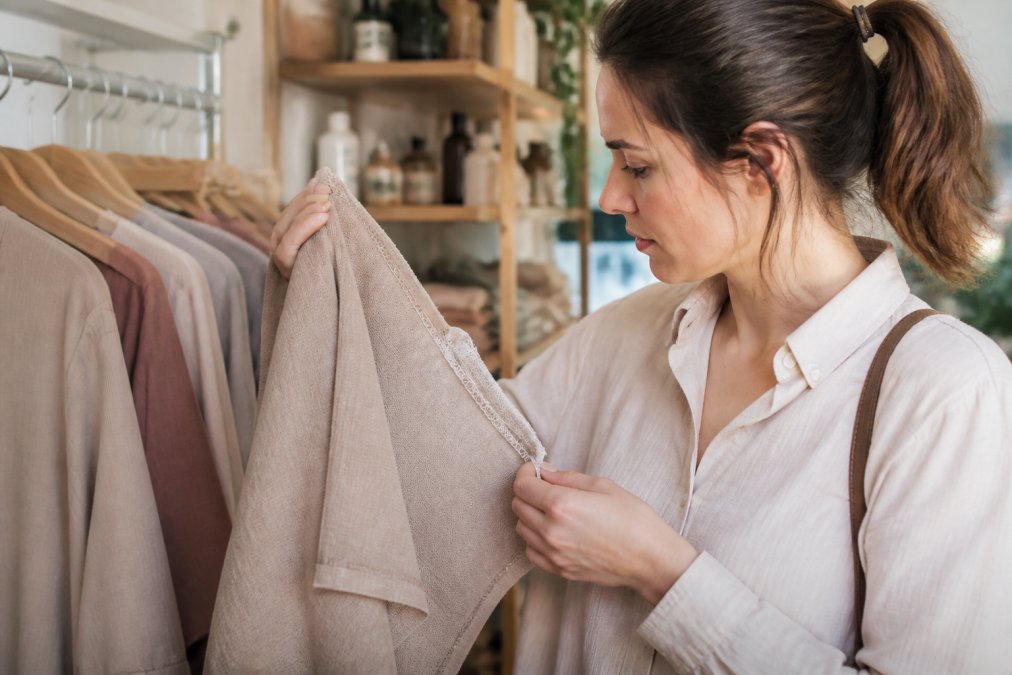
Ask yourself: Can I find the factory name? Are there worker testimonials? Does the brand explain its quality control? If answers are vague or missing, move on.
Look for Fair Trade and Labor Certifications
Certifications provide independent verification that a brand meets specific standards. Fair Trade Certified, Global Organic Textile Standard (GOTS), and B Corporation status are meaningful markers, they require ongoing audits and accountability.
Fair Trade certification ensures garment workers earn living wages and work in safe conditions. GOTS verifies that organic materials are produced without harmful chemicals and meet strict environmental standards. B Corporation status means the company has been audited to meet high standards for social and environmental performance.
Not every ethical brand carries these labels, some are too small or operate in regions where certification isn't available. But if a brand claims to be ethical and has no certifications whatsoever, ask why. Legitimate brands pursue third-party verification because it proves their commitment.
Spot Greenwashing Red Flags
Greenwashing happens when a brand uses vague language, minimal evidence, or misleading imagery to appear more ethical than it actually is. Learn to recognize the patterns.
Watch for these warning signs:
- Vague claims like "eco-friendly" or "sustainable" with no explanation of what that means
- Heavy use of nature imagery (green leaves, earth tones) without actual environmental practices
- A single "ethical" collection while the rest of the line shows no transparency
- Lack of detail about materials, manufacturing, or labor practices
- No response when you ask direct questions about supply chain or certifications
- Prices that seem too low to support fair wages and sustainable practices
Real ethical brands answer questions directly and provide specific information. If a brand gets defensive or evasive when you ask where something is made or how much workers earn, that's telling.
Sustainable Clothing Brands Canada: Local and Online Options
Building an ethical wardrobe doesn't mean settling for limited choices. A growing number of Canadian and North American boutiques prioritize sustainability and fair labor alongside style.
Betty Be Good Boutique curates elevated everyday pieces from brands that align with ethical values. Our handpicked collection focuses on quality basics, timeless designs, and pieces that work across seasons, the foundation of a sustainable wardrobe. Every item ships from within Canada to Canada with no duty or overseas returns, and free shipping applies on orders over $99 CAD.
Look for boutiques and brands that:
- Stock organic cotton, linen, hemp, or other regenerative natural fibers
- Feature independent designers or smaller ethical manufacturers
- Provide clear information about production location and labor practices
- Offer timeless designs over trend-chasing pieces
- Support local or fair-trade artisans and producers
When shopping online, read product descriptions carefully. Ethical brands highlight their materials, manufacturing locations, and certifications because they're proud of them. If those details are missing, it's a sign the brand hasn't prioritized transparency.
Affordable Ethical Fashion Pieces Worth Your Money
The biggest misconception about ethical fashion is that it has to be expensive. Quality pieces from ethical brands often cost less than luxury fast fashion when you calculate cost-per-wear.
Betty Be Good Boutique proves this. Our Modal Easy Fit Tee at $49.90 CAD is versatile enough to work as a base layer, workout top, or casual piece, you'll wear it dozens of times. Compare that to a trendy top from a fast-fashion chain that falls apart after five washes, and the ethical choice becomes the smarter investment.
Look for basics that anchor a capsule wardrobe:
- Simple knit tops in natural fibers ($45-75 CAD)
- Well-made bottoms in sustainable fabrics ($70-95 CAD)
- Layering pieces like cardigans and sweaters ($60-110 CAD)
- Outerwear designed to last multiple seasons ($100-150 CAD)
Our Crochet Blanket Cardigan at $89.90 CAD exemplifies this approach, an oversized, artistic piece that works over everything and never goes out of style. The Argyle Wool Blend Button Cardigan at $79.90 CAD offers similar longevity with classic appeal.

The key is choosing pieces you'll actually wear repeatedly, not impulse buys that sit unworn. Ethical fashion is about quality over quantity, fewer pieces that you love, that fit well, and that coordinate with what you already own.
Benefits of Shopping Local Boutique Fashion
Shopping at local boutiques creates ripple effects beyond your own wardrobe. When you buy from a curated boutique instead of a mass retailer, you're supporting a business model that values people and the environment.
Local boutiques typically:
- Stock smaller production runs, reducing textile waste
- Build relationships with makers and manufacturers, ensuring accountability
- Employ local staff who can offer personalized styling advice
- Reinvest profits into the community rather than distant corporate headquarters
- Offer a more intentional shopping experience, fewer pieces, higher quality
Betty Be Good Boutique operates both online and as a physical boutique in White Rock, British Columbia. Whether you shop online or visit in person, you're supporting a business that prioritizes handpicked curation and elevated everyday fashion over fast-moving inventory.
Local boutiques also tend to be more responsive to customer feedback. If a piece doesn't fit well or doesn't work for your lifestyle, smaller businesses often listen and adjust their selections. You're not just a transaction number, you're part of a community.
Building a Capsule Wardrobe with Ethical Pieces
A capsule wardrobe is a small, coordinated collection of pieces that work together in multiple combinations. It's the antidote to closets full of clothes and nothing to wear, and it's the most sustainable approach to fashion.
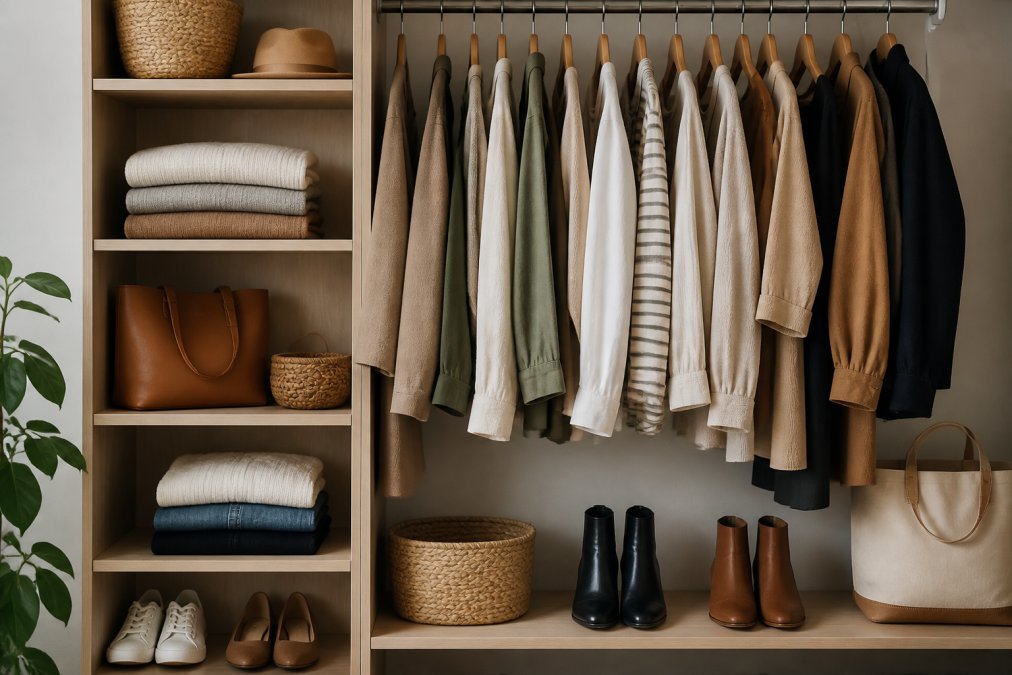
Start with neutral foundations in natural fibers. Choose 3-5 basic tops in cream, gray, or black that you can layer and mix. Add 2-3 bottoms in complementary neutrals, consider our Tencel Tie Waist Wide Leg Pants at $89.90 CAD for a sustainable fabric choice that drapes beautifully.

Layer in cardigans and sweaters that extend the life and versatility of your basics. The Just Like Cashmere Button Cardi at $59.90 CAD works over everything and adds warmth without bulk. Add one statement piece, perhaps the Vegan Leather Belted Trench Coat at $109.90 CAD, that elevates basics into polished outfits.

The capsule approach forces intentionality. Before buying anything new, ask: Does this work with at least three pieces I already own? Will I wear it in multiple seasons? Does it align with my actual lifestyle, not an imagined version of myself?
This strategy reduces waste, saves money, and creates a wardrobe you actually love. You stop buying things you feel obligated to wear and start choosing pieces you genuinely want to reach for.
| Capsule Category | Recommended Pieces | Betty Be Good Examples | Price Range |
|---|---|---|---|
| Neutral Basics | 3-5 simple tops | Modal Easy Fit Tee | $49.90 CAD |
| Bottoms | 2-3 coordinating pairs | Tencel Wide Leg Pants, Lounge Pants | $74.90-$89.90 CAD |
| Layering | 2-3 cardigans/sweaters | Argyle Cardigan, Mock Neck Sweater | $59.90-$79.90 CAD |
| Outerwear | 1-2 statement pieces | Vegan Leather Trench, Crochet Cardigan | $89.90-$109.90 CAD |
| Accessories | Minimal (belts, scarves) | Works with everything | Varies |
Why Cost-Per-Wear Matters in Ethical Shopping
Cost-per-wear is the most honest way to evaluate whether a piece is actually affordable. It's calculated by dividing the price by the number of times you'll wear it.
A $100 CAD ethical piece you wear 50 times costs $2 per wear. A $30 CAD fast-fashion item you wear three times costs $10 per wear. The ethical piece is the better investment.
This framework shifts how you shop. Instead of asking "Can I afford this?", ask "Will I wear this enough to justify the cost?" It eliminates impulse purchases and focuses spending on pieces that genuinely fit your life.
Ethical brands often cost more upfront because they use better materials and pay fair wages. But because they're designed to last, better construction, timeless styles, versatile colors, you wear them far more often. The math works in favor of ethical fashion when you think long-term.
Consider our Wide Leg Drawstring Lounge Pants at $74.90 CAD. If you wear them 100 times across multiple seasons (lounging, travel, errands, casual outings), the cost-per-wear drops to under $0.75. Compare that to trendy pieces you wear once or twice.
The most sustainable piece of clothing is the one already in your closet. The second most sustainable is the one you'll wear so often it becomes a favorite. Cost-per-wear helps you identify those pieces before you buy.
Shopping for ethical boutique fashion online means making deliberate choices about where your money goes and what you support with your purchases. It's not about perfection, it's about progress. Start by choosing one or two pieces from a brand you trust, learning about their practices, and building from there.
Betty Be Good Boutique makes ethical shopping accessible. Our curated collection focuses on quality basics and timeless pieces designed for real life, shipped from Canada with no duty or overseas returns. Free shipping applies on orders over $99 CAD, making it easier to build an intentional wardrobe without breaking your budget. Shop now and discover how elevated everyday fashion can feel true to who you are.
Frequently Asked Questions
What makes a fashion brand truly ethical?
An ethical fashion brand prioritizes fair wages for garment workers, uses sustainable materials like organic cotton or linen, maintains supply chain transparency, and avoids harmful environmental practices. Look for brands that disclose where clothes are made, support labor rights, and minimize textile waste. Ethical brands also often champion social causes, like supporting survivors of human trafficking, and avoid sweatshop production. Transparency in manufacturing and genuine commitment to people and planet are the core markers.
How can I identify ethical fashion brands while shopping online?
Check the brand's website for detailed information about manufacturing locations, worker conditions, and material sourcing. Look for third-party certifications like Fair Trade, GOTS (Global Organic Textile Standard), or B Corp status. Read their sustainability reports and mission statements carefully. Avoid vague language like 'eco-friendly' without specifics. Research independent reviews on sites focused on sustainable fashion. If a brand won't disclose supply chain details or uses only generic sustainability claims, that's a greenwashing signal. Authentic ethical brands are transparent about both strengths and areas for improvement.
Why should I choose boutique fashion over fast fashion?
Boutique fashion offers quality over quantity, meaning pieces last longer and reduce waste. Independent boutiques typically curate thoughtfully, supporting smaller businesses and often ethical producers. You'll find unique, timeless designs rather than trend-driven items destined for landfills. Boutiques often provide better customer service, accurate sizing information, and genuine relationships with their suppliers. Shopping local boutiques also keeps money in your community and supports businesses with real missions, like those supporting human trafficking survivors, rather than feeding corporate profit margins focused on rapid production cycles.
Are there Canadian-based boutiques for sustainable clothing?
Yes. Boutiques like Betty Be Good Boutique offer curated, sustainable clothing shipped within Canada with no duty or overseas returns. Shopping Canadian boutiques supports local businesses, reduces carbon footprint from international shipping, and often means better alignment with domestic labor standards. Many independent Canadian boutiques prioritize ethical sourcing and fair trade practices. When you shop local, you can often meet owners, understand their values directly, and build relationships with businesses genuinely committed to conscious consumption and supporting causes like human trafficking survivor support.
What's the best way to calculate cost-per-wear for ethical fashion pieces?
Divide the price by the number of times you'll realistically wear the item. A $90 piece worn 100 times costs $0.90 per wear; a $30 fast-fashion item worn 5 times costs $6 per wear. Ethical pieces often have higher upfront costs but lower cost-per-wear because they're made to last. Look for versatile, timeless designs that coordinate with your existing wardrobe. Pieces like the Tencel Tie Waist Wide Leg Pants at $89.90 or the Modal Easy Fit Tee at $49.90 become bargains when worn repeatedly. This mindset shifts shopping from impulse buying to intentional investment in quality basics that earn their place in your closet.
This article was written using GrandRanker

0 comments