Signs of High Quality Boutique Clothing: A 2026 Guide
Posted on août 23 2026

Table of Contents
- What Makes Boutique Clothing Different From Fast Fashion
- How to Identify Quality Fabric and Fiber Content
- Examining Garment Construction and Stitching
- What to Look for When Buying Clothes Online
- How to Spot Poor Quality Clothes Before You Buy
- Fit, Structure, and Tailoring Indicators
- Sustainable Fashion and Ethical Manufacturing
- Conclusion
Last Updated: August 24, 2026
What Makes Boutique Clothing Different From Fast Fashion
Fast fashion operates on speed and volume, with collections changing weekly and prices kept artificially low. Boutique clothing is intentional, pieces are selected or created with longevity in mind. At Betty Be Good Boutique, we curate collections that blend affordability with quality, pieces you'll actually wear for years, not weeks.
The real distinction shows up in the details. Boutique retailers invest time in understanding fabric quality, construction methods, and fit. They're not chasing trends for a single season; they're building a wardrobe that holds together. This approach costs more upfront, but the cost-per-wear drops dramatically over time because the clothes actually last.
How to Identify Quality Fabric and Fiber Content
The foundation of any high-quality boutique clothing piece starts with the fabric. You can have perfect seams and beautiful buttons, but if the fabric falls apart after three washes, nothing else matters.
Natural Fibers vs. Synthetic Blends
Natural fibers like cotton, linen, wool, and silk have been worn for centuries for a reason. They breathe, age gracefully, and often feel better against your skin. Cotton offers durability and breathability. Linen wrinkles intentionally but gets softer with wear. Wool provides warmth and structure. Silk drapes beautifully but requires careful handling.
Synthetic blends aren't inherently bad; they're often added to natural fibers to improve performance. A cotton-polyester blend might resist wrinkles better than pure cotton. The key is proportion. A 95% cotton, 5% elastane blend is still primarily cotton with just enough stretch for comfort. A 50-50 blend behaves like a synthetic with some natural fiber benefits.
Read the fiber content label carefully. Quality boutique pieces typically lead with natural fibers.
Testing Fabric Weight and Drape
Hold the fabric in your hands and assess its weight. Lightweight fabrics feel insubstantial and often pill easily. Medium-weight fabrics have substance without feeling heavy. Heavier fabrics feel structured and durable.
Drape is how fabric falls and moves on your body. Stiff fabrics hold their shape; flowy fabrics move with you. Quality fabrics drape intentionally, not because they're poorly constructed. Test drape by holding the fabric vertically. Does it fall smoothly, or does it bunch awkwardly?
Non-Destructive Fabric Tests You Can Perform In-Store
The Stretch and Snap-Back Test: Gently pull a small section of fabric on the bias and release. Quality fabrics snap back immediately to their original shape. Fabrics that remain stretched indicate weak fibers or poor construction.
The Light Transparency Test: Hold the garment up to natural light. Look for evenness in the weave. Quality woven fabrics show consistent, tight weaving with no thin spots or gaps.
The Pilling Resistance Check: Gently rub a small, inconspicuous area of fabric with your fingertip using moderate pressure. Quality fabrics show no pilling or fuzzing. If you see small balls of fiber forming immediately, the fabric will pill noticeably during wear.
The Wrinkle Recovery Test: Pinch a section of fabric firmly for 10 seconds, then release. Quality fabrics release wrinkles quickly or show minimal creasing.
The Seam Integrity Feel: Run your fingernail gently along an internal seam. Quality seams feel smooth and secure. If threads catch or the seam feels loose, the stitching density is too low.
Examining Garment Construction and Stitching
Construction separates high-quality boutique clothing from everything else. This is where you see whether a maker cares about longevity or just getting the piece out the door.
Seam Allowance and Stitch Density
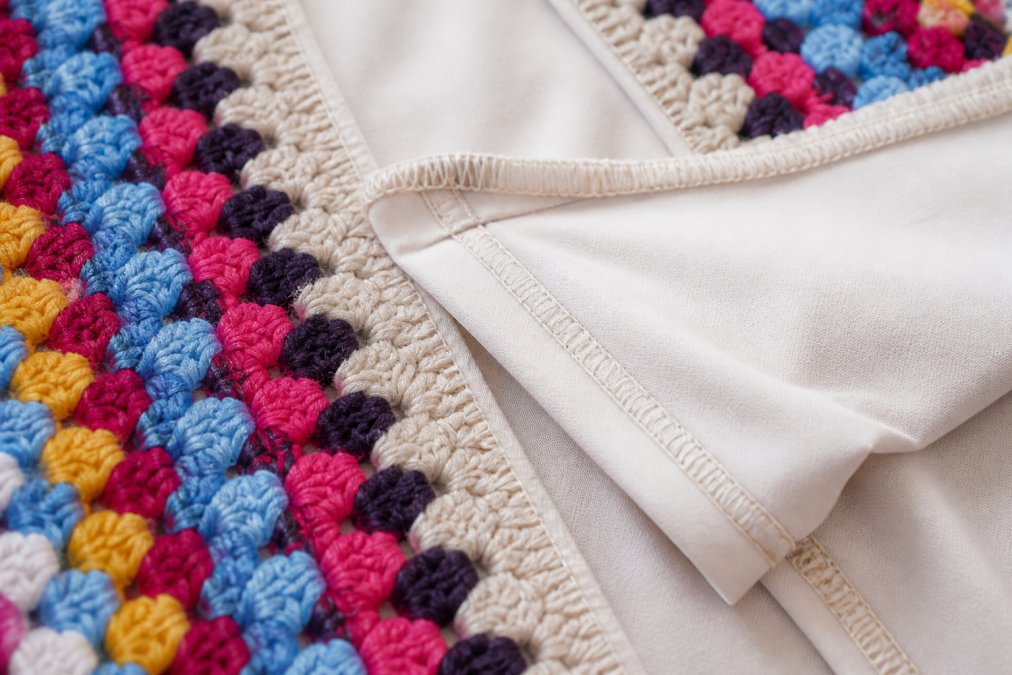
A seam allowance is the fabric between the seam line and the edge of the garment. Quality pieces have generous seam allowances, typically half an inch or more (peer-reviewed research). This gives the garment room to breathe and makes alterations possible. Cheap construction uses minimal seam allowance to save fabric.
Stitch density refers to how many stitches per inch hold the seam together (peer-reviewed research). More stitches mean stronger seams. Run your finger along a seam on a quality piece; you'll feel tight, consistent stitching. Examine seams from the inside when possible. Quality construction shows neat, even stitching with no loose threads or skipped stitches.
French Seams, Serged Edges, and Reinforcement
A french seam is a construction technique where the seam is sewn twice, encasing the raw edges inside (peer-reviewed research). This creates a strong, finished seam that looks polished from both sides. It signals quality because it's more labor-intensive.
Serged edges are finished with a serger machine, which trims and binds the raw edge in one pass. This prevents fraying and looks professional. Quality boutique pieces use serged edges on internal seams.
Reinforcement appears at stress points, armholes, necklines, button placement. Quality makers add extra stitching or fabric strips at these points because they know stress concentrates there. Check inside a garment at the underarm seam. Does it feel reinforced, or is it just a single seam?
What to Look for When Buying Clothes Online
Online shopping removes the ability to touch fabric or try things on. Smart evaluation prevents disappointment.
Reading Labels and Care Instructions
The care label tells you everything about how the maker expects the garment to perform. Delicate hand wash only suggests fragile construction or sensitive fabric. Machine washable cold is standard for most quality everyday pieces.
Check fiber content first, then care instructions. Do they match? A 100% silk piece should require delicate care. A cotton-polyester blend should tolerate machine washing. Look for specific instructions like "wash cold, lay flat to dry" rather than generic guidance. Specific instructions suggest the maker tested the garment and knows how it behaves.
Evaluating Product Photos and Descriptions
Quality online retailers show multiple angles, front, back, side, and close-up detail shots in natural light. They show how the garment drapes on an actual body, not just flat on a table.
Read descriptions carefully. Do they mention fabric weight, fiber content, and construction details? Detailed descriptions come from makers who understand their product. Check for fit notes. Does the description say whether it runs true to size, small, or large? Does it mention stretch? This specificity helps you make an informed decision.
How to Spot Poor Quality Clothes Before You Buy
Sometimes what looks good at first glance reveals problems on closer inspection. These red flags indicate a garment won't hold up.
Pilling, Colorfastness, and Shrinkage Red Flags
Pilling happens when fabric fibers break and ball up on the surface. Examine the garment closely, do you see existing pills or fuzzy areas? That's a sign the fabric will pill easily during wear.
Colorfastness is whether dye stays in the fabric or bleeds during washing. Quality makers use dyes that set properly. Check reviews or ask whether other buyers experienced color bleeding.
Shrinkage happens when fabric contracts during washing. Quality pieces are pre-shrunk or made from fabrics that don't shrink significantly. If the label says "may shrink," that's a hint the maker didn't invest in pre-shrinking.
Hardware, Buttons, and Hardware Durability
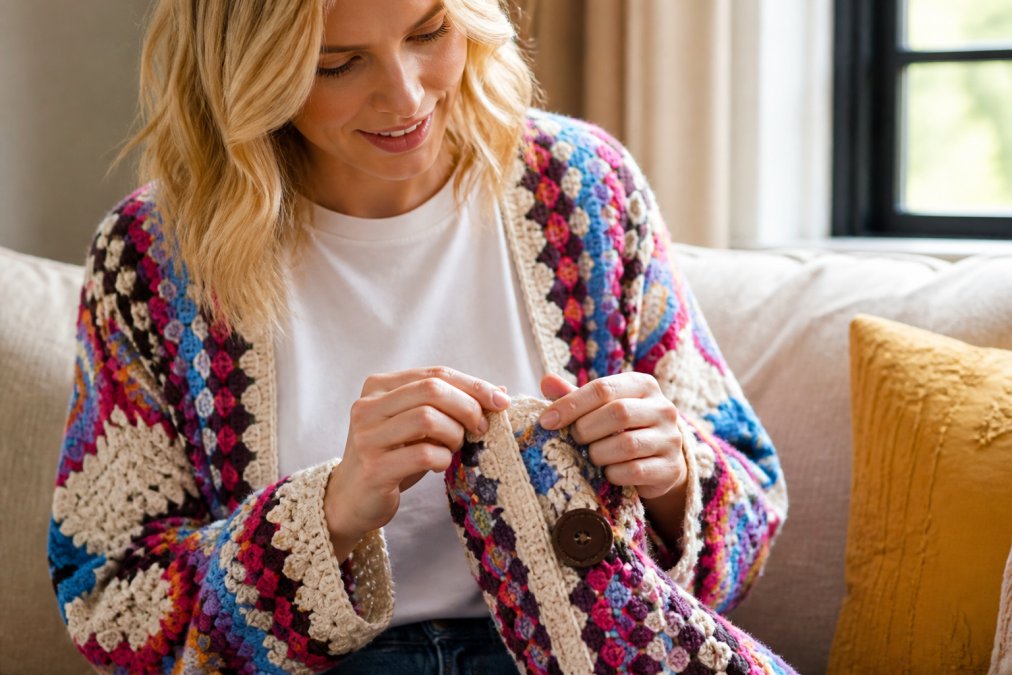
Buttons should feel substantial when you hold them. Quality buttons are sewn with reinforcement on the back. Are buttons attached securely with multiple thread passes, or are they hanging by a thread?
Zippers should glide smoothly without catching. Quality zippers are metal or heavy-duty plastic. Cheap zippers snag and break after a few uses. Snaps, hooks, and other hardware should feel solid and click securely when pressed together.
Fit, Structure, and Tailoring Indicators
A beautifully made garment that doesn't fit is worthless. Quality boutique pieces are designed with real bodies in mind.
Check how the piece is described in terms of fit. Does it have structure that holds its shape, or does it rely on your body to define it? Structured pieces use interfacing and sometimes padding to maintain shape. They hold up better over time.
Look for details like darts, pleats, and seaming patterns. These aren't just aesthetic, they're functional. Darts shape fabric to fit curves. Pleats add volume where needed. Multiple seams allow for better fit through different areas. Quality makers use these techniques intentionally.
Consider the neckline, armholes, and waistband. Do they sit where they're supposed to, or do they gap and pull? Quality construction means these details are engineered to fit real bodies.
Sustainable Fashion and Ethical Manufacturing
High-quality boutique clothing often aligns with sustainable and ethical practices. Pieces made to last reduce waste. Makers who care about quality often care about how and where garments are made.
Supply Chain Transparency as a Quality Signal
Quality makers are transparent about their supply chain because they're proud of it. Look for retailers and brands that openly share:
- Where garments are made: Specific country or region, not vague language. Quality producers list factory locations or partner countries.
- Labor standards: Do they mention fair wages, working hours, or certifications? Quality makers often reference third-party audits or memberships in organizations that verify labor practices.
- Material sourcing: Where do fibers come from? Quality producers trace cotton to specific farms or regions, mention organic certification, or explain how recycled materials are sourced.
- Production timelines: Rushed production often means corner-cutting. Makers who share realistic production windows demonstrate intentional, careful production.
If a retailer can't answer these questions, that's a red flag.
Certification and Third-Party Verification
Look for recognized certifications that indicate verified standards:
- Organic Fiber Certifications: GOTS (Global Organic Textile Standard) for organic cotton, wool, or linen indicates the fiber was grown without synthetic pesticides and processed under strict environmental standards.
- Fair Trade Certifications: Fair Trade USA or similar bodies verify that workers received fair compensation and worked in safe conditions.
- B Corp Certification: Companies certified as B Corps meet rigorous standards for social and environmental performance, accountability, and transparency.
- Industry-Specific Standards: Some regions have their own standards. Quality makers display these prominently because they're costly to obtain and maintain.
Certifications cost money and require ongoing compliance, so their presence indicates genuine commitment.
Material Choices That Signal Quality and Sustainability
Natural fibers like organic cotton, linen, and wool have lower environmental impact than synthetics, but quality matters within each category:
- Organic vs. Conventional Cotton: Organic cotton is grown without synthetic pesticides and uses less water. Quality makers specify "organic" on labels.
- Recycled Fibers: High-quality recycled polyester or nylon maintains fiber strength. Quality makers source from reputable recycling facilities and test fiber integrity.
- Wool and Animal Fibers: Responsibly sourced wool comes from farms with animal welfare standards. Mulesing-free wool is a common standard in quality production.
- Linen: Linen production uses less water and pesticides than cotton. European linen is often considered higher quality.
Red Flags: Greenwashing vs. Genuine Commitment
Some retailers use sustainability language without backing it up. Watch for:
- Vague language: "Eco-friendly," "sustainable," or "conscious" without specifics. Quality makers use precise terms: "GOTS-certified organic cotton."
- Inconsistent practices: A brand claiming sustainability while producing new collections weekly is likely greenwashing. Quality makers produce seasonally or on-demand to reduce waste.
- No traceability: If you can't find information about where or how something is made, the maker likely isn't prioritizing transparency.
- Pricing that doesn't match claims: Genuinely ethical production costs more. If a piece is suspiciously cheap despite sustainability claims, the savings likely came from labor or environmental corners.
Betty Be Good Boutique curates pieces with these values in mind. We work with makers who prioritize quality construction and ethical practices, ensuring that when you invest in a piece, that investment supports responsible production. Ships from Canada to Canada; no duty or overseas returns. Free shipping Canada to Canada & US when you spend $99+.
Frequently Asked Questions
What are the key characteristics of high-quality boutique clothing?
High-quality boutique clothing shows tight, even stitching with adequate seam allowance, uses natural fibers or quality synthetic blends, and features reinforced construction at stress points like buttonholes and hems. Seams should be straight and consistent, buttons should be securely attached, and the garment should hold its shape and color after washing. Look for care instructions that indicate proper fabric treatment and check that hardware (zippers, snaps) moves smoothly without snagging threads.
How can you tell if a garment is well-made by looking at the seams?
Well-made garments feature French seams or serged edges that prevent fraying, with stitch density of at least 8-10 stitches per inch. Seams should be straight and evenly spaced, without puckering or waviness. Check that seam allowance is generous (at least half an inch) and that reinforcement stitching appears at high-stress areas like armholes, crotch seams, and waistbands. Inside seams should look as finished as outside seams on quality pieces.
What fabrics should you look for to ensure clothing longevity?
Natural fibers like cotton, linen, wool, and silk generally outlast fast-fashion synthetics because they're more resistant to pilling and maintain their structure over time. Quality synthetic blends (70% natural fiber with 30% synthetic for stretch) offer durability with comfort. Avoid 100% polyester or thin, flimsy fabrics that pill easily. Check the thread count on cotton items, higher thread count typically indicates denser, more durable fabric that resists wear.
How do I avoid low-quality materials when shopping online for boutique clothing?
When shopping online, read detailed fiber content labels carefully, avoid vague descriptions like 'fabric blend' without percentages. Look for product photos showing seam construction, fabric texture, and how the garment drapes on real bodies. Check care instructions; quality pieces usually require hand-washing or delicate cycles, while poor-quality items often say machine-wash on high. Read customer reviews mentioning shrinkage, pilling, or color fading, and verify the boutique ships from Canada to Canada with no overseas returns, which typically signals quality standards and easier exchanges.
This article was written using GrandRanker

0 comments