Ethical Boutique Clothing Brands for Women
Posted on August 26 2026

Table of Contents
- What Defines Ethical Boutique Clothing Brands
- How to Identify Ethical Fashion Brands That Keep Their Promises
- Sustainable Clothing Brands in Canada Worth Your Investment
- Building a Sustainable Wardrobe That Actually Works
- Benefits of Shopping Local Clothing Boutiques
- Budget-Friendly Ethical Options Without Compromise
- End-of-Life Garment Management and Circular Fashion
- Conclusion
Last Updated: August 27, 2026
What Defines Ethical Boutique Clothing Brands
Ethical boutique clothing brands are independent retailers that prioritize fair labor practices, sustainable materials, and transparent supply chains. Unlike fast-fashion chains that churn out thousands of pieces weekly, ethical boutiques intentionally curate smaller collections designed to last. These brands make deliberate choices about where fabrics come from, who makes their garments, and what happens to unsold inventory.
At Betty Be Good Boutique, we've built our entire operation around this principle. We source elevated everyday pieces that work across seasons and occasions, shipped from Canada to Canada with no duty or overseas returns. When you buy from an ethical boutique, you're supporting businesses that refuse to compromise on labor standards or environmental responsibility just to hit a profit margin.
True ethical fashion brands document their processes, name their manufacturers, and can explain exactly why their linen costs more than polyester from a big-box retailer. They understand that conscious consumerism is about making intentional choices that align with your values without sacrificing style or affordability.
How to Identify Ethical Fashion Brands That Keep Their Promises
Shopping ethically requires more than good intentions. The fashion industry is full of greenwashing, with brands using buzzwords like "eco-friendly" and "sustainable" without backing them up with real practices. Learning to verify claims separates genuine ethical brands from marketing stunts.
Start by looking for specificity. Ethical brands don't hide their supply chain. They publish factory locations, worker wages, and environmental impact reports. They name their manufacturers by name, not hide behind vague language like "our trusted partners."
Certifications and Transparency Standards
Certifications provide verifiable third-party checks on brand claims. Fair Trade Certified, Global Organic Textile Standard (GOTS), and B Corp certification all require audits and ongoing compliance (fairtradeusa.org). However, some ethical brands skip formal certification because costs are prohibitive for small operations, even though their practices are solid. This is where transparency becomes your backup verification.
Ask brands directly: Where is this made? Who are your manufacturers? What's your carbon footprint per garment? Legitimate ethical brands answer these questions readily. Vague or evasive answers are red flags.
Supply Chain Visibility and Labor Practices
The heart of ethical fashion is how garment workers are treated. Ethical brands ensure living wages, safe working conditions, reasonable hours, and freedom of association.
Look for brands that publish wage transparency. What do their sewers, dyers, and cutters actually earn? Do they meet or exceed living wage standards in their country of operation? Supply chain visibility also means traceability, can you trace your garment backward from the finished product to the raw material? Ethical brands often use fewer suppliers and work with them long-term, building relationships instead of constantly switching to whoever offers the lowest price.
Sustainable Clothing Brands in Canada Worth Your Investment
Canada has a growing community of ethical fashion brands committed to sustainable textiles and fair manufacturing. What makes a brand worth your investment is durability paired with ethics. A $70 linen top that lasts five years costs far less per wear than a $25 fast-fashion shirt that falls apart after six months.
Natural Fibers and Low-Impact Production
Natural fibers like organic cotton, linen, hemp, and wool require less chemical processing than synthetics. Linen uses minimal water and pesticides compared to conventional cotton (peer-reviewed research). Organic cotton eliminates synthetic pesticides entirely. These materials biodegrade at end-of-life instead of shedding microplastics for centuries in landfills.
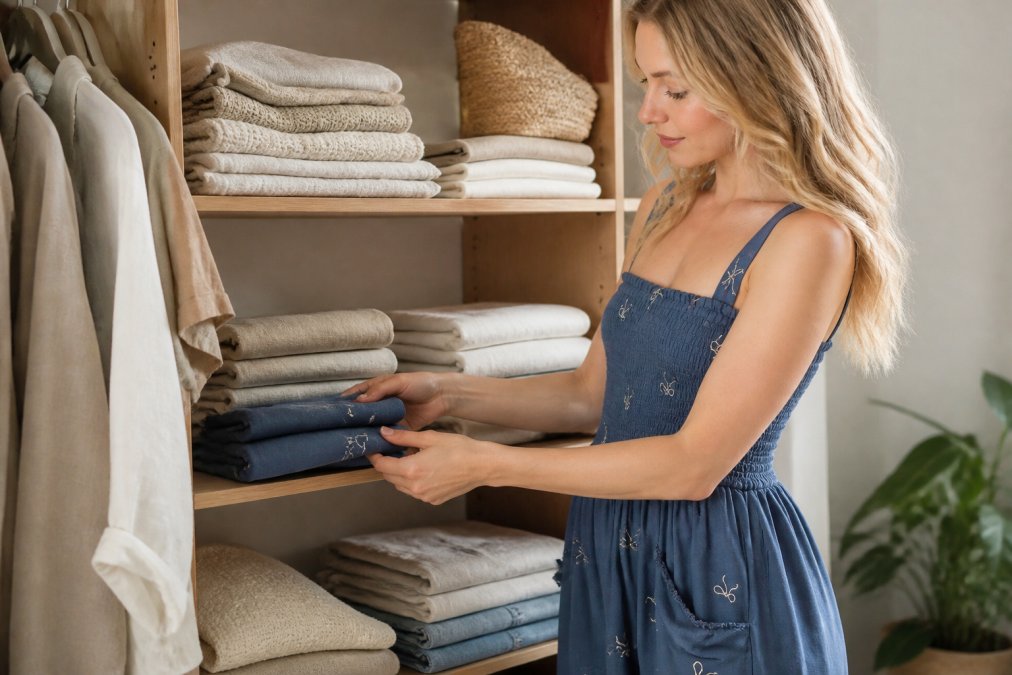
Low-impact production means brands control their dyeing and finishing processes, using natural dyes and water-recycling systems instead of heavy metals and harsh chemicals. Betty Be Good Boutique features linen pieces extensively because the fabric aligns with our values. The Linen Bow Smocked Jumpsuit and Linen Floral Embroidered Top showcase how natural fibers don't require premium pricing. Linen wrinkles naturally and layers beautifully across seasons, making it genuinely versatile.

Fair Trade and Living Wages
Fair Trade Certified brands guarantee that workers earned a fair price for their labor and that working conditions meet international standards. Living wages are the baseline for ethical labor, covering basic needs, housing, food, healthcare, and education in the worker's actual country (ilo.org). Some brands go further by offering profit-sharing, healthcare benefits, or education support, signaling genuine commitment to social responsibility.
Building a Sustainable Wardrobe That Actually Works
A sustainable wardrobe isn't about buying less fashion, it's about buying smarter. The goal is pieces you actually wear repeatedly, in combinations that multiply your outfit options.
Capsule Wardrobe Basics and Cost-Per-Wear
A capsule wardrobe is a curated collection of versatile, neutral pieces that work across seasons and occasions. Start with foundational neutrals: white, cream, black, navy, gray, olive, and brown. Add one or two accent colors that you love wearing.
Cost-per-wear calculation transforms how you think about price. A $100 coat worn 200 times costs 50 cents per wear. A $30 shirt worn twice costs $15 per wear. Suddenly, investing in quality ethical pieces makes financial sense. Ethical basics typically have lower cost-per-wear than fast fashion because they last years instead of months.
Versatile Pieces That Last
Versatile pieces are the workhorses of a sustainable wardrobe. Look for items with timeless design rather than trendy details. Quality craftsmanship is non-negotiable, check seams, hems, and fabric weight. Ethical brands invest in these details because they know durability is part of their environmental responsibility. conscious jewelry options.
The Raw Edge Gauze Button Up Top and Washed Gauze Raw Edge Top exemplify versatile basics. Gauze works for warm weather and layers under heavier pieces in cooler months. Button-up styles transition easily from casual to more polished settings.

Benefits of Shopping Local Clothing Boutiques
Local boutiques offer advantages that online-only retailers and massive chains cannot match. When you shop locally, you're supporting independent business owners, often women entrepreneurs, who pour their passion into curation and customer relationships.
Curated Selection and Personal Service
Boutique owners don't carry everything, they carry what they believe in. This curation is valuable, instead of scrolling through thousands of similar items, you encounter thoughtfully selected pieces. Personal service is the other major difference. Boutique staff know the inventory intimately and can suggest combinations and remember your preferences.
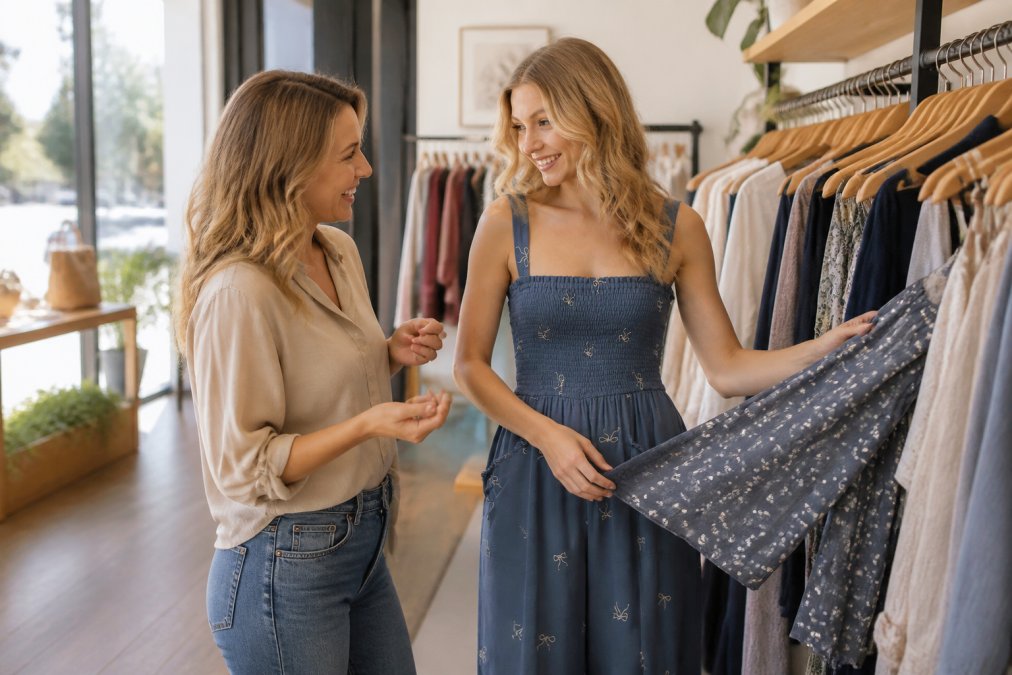
Betty Be Good Boutique operates both online and in-store in White Rock, British Columbia. Our physical location lets customers try pieces on and feel fabric quality firsthand. Online shoppers benefit from our curated selection with free shipping on orders over $99 to Canada and the US.
Supporting Social Responsibility
When you buy from a local boutique, you're supporting a business owner's mission. Many boutique owners started their businesses specifically to offer ethical alternatives to fast fashion. Betty Be Good Boutique supports human trafficking survivors through our purchasing and community partnerships. Shopping here means your money directly contributes to that impact.
Local boutiques also tend to source from other local and independent makers when possible, creating networks of ethical businesses that support each other.
Budget-Friendly Ethical Options Without Compromise
The biggest misconception about ethical fashion is that it requires a luxury budget. Ethical doesn't mean expensive, it means intentional. Many ethical brands offer accessible pricing because they prioritize impact over profit maximization.
Budget-friendly ethical shopping means focusing on basics in natural fibers, buying fewer pieces that last longer, and resisting the urge to follow trends. When you think in cost-per-wear terms, ethical basics win. Betty Be Good Boutique's pieces prove that ethical doesn't demand premium pricing.
Budget-conscious shoppers should also embrace secondhand ethical fashion. Buying used extends the lifespan of garments, multiplies your wardrobe on a limited budget, and supports circular fashion. Resale platforms have made secondhand shopping mainstream and convenient.
End-of-Life Garment Management and Circular Fashion
What happens when your ethical garment finally wears out? This is where circular fashion comes in. Instead of treating clothing as disposable, circular fashion systems keep garments in use as long as possible through repair, resale, and recycling.
Repair is the first step. A loose seam, broken zipper, or small hole shouldn't mean the end of a beloved piece. Learning basic mending skills extends garment life significantly. Many ethical brands offer repair services or can recommend local tailors.
Resale is the next step. Platforms dedicated to secondhand fashion let you sell pieces you no longer wear, extending the garment's lifespan and preventing waste. When a garment truly reaches end-of-life, recycling or composting becomes relevant. Natural fiber garments like linen and organic cotton biodegrade. Ask your favorite brands about their end-of-life programs.
Circular fashion also means buying fewer new pieces overall. When you invest in versatile, durable, ethical basics, you need to replace them less frequently.
Shopping for ethical boutique clothing brands for women means prioritizing transparency, durability, and values alignment over trends and price alone. Betty Be Good Boutique makes this easier by curating elevated everyday pieces that work across seasons and occasions, shipped from Canada to Canada with no duty or overseas returns. Free shipping on orders over $99 to Canada and the US removes barriers to shopping ethically. Start with versatile basics and build from there, transforming your wardrobe into something you actually love wearing.
Frequently Asked Questions
How can I verify if a clothing brand is truly ethical?
Look for third-party certifications like Fair Trade Certified, GOTS (Global Organic Textile Standard), or B Corp status. Check the brand's website for supply chain transparency, factory locations, and labor practice details. Ethical brands openly share where and how their garments are made. Request information directly from the company about wages, working conditions, and environmental practices. Boutiques that curate ethical collections typically vet brands thoroughly, so shopping locally reduces your verification burden.
What are sustainable clothing brands in Canada that offer affordable options?
Many ethical boutique clothing brands operate across Canada with price-conscious collections. Look for brands using organic cotton, linen, and other natural fibers that prioritize fair trade manufacturing. Betty Be Good Boutique, for example, offers elevated everyday pieces starting at $44.90 for tops and $74.90 for dresses, with free shipping to Canada and the US when you spend $99 or more. These boutiques handpick collections that balance affordability with ethical production standards, making sustainable fashion accessible without premium pricing.
What are the benefits of shopping at independent clothing boutiques?
Independent boutiques offer curated selections tailored to your lifestyle, eliminating the overwhelm of mass retail. Staff provide personalized styling advice and deeper knowledge of each brand's story and values. Boutiques typically support smaller, ethical manufacturers and often contribute to social causes. Shopping locally reduces carbon footprint from shipping and supports your community's economy. Many boutiques like Betty Be Good also offer both online and in-store options, combining convenience with the personal touch of a local business.
How does cost-per-wear analysis help with ethical fashion choices?
Cost-per-wear divides an item's price by the number of times you'll realistically wear it. A $75 dress worn 50 times costs $1.50 per wear; a $25 trend worn twice costs $12.50 per wear. Ethical boutique pieces typically feature timeless design and quality construction, increasing wear frequency and lowering cost-per-wear. This approach encourages buying fewer, better pieces that align with your existing wardrobe, reducing waste and saving money over time, a core principle of slow fashion and conscious consumerism.
What should I look for in sustainable women's clothing?
Prioritize natural fibers like organic cotton, linen, and other biodegradable materials over synthetic fabrics. Check for low-impact dyes and water-efficient production processes. Look for versatile, timeless designs that work across seasons and occasions rather than trendy pieces with short lifespans. Ensure extended size ranges that reflect real bodies. Quality craftsmanship and durability matter more than price. Brands with transparent supply chains and fair labor practices demonstrate genuine commitment to sustainability, not just marketing.
This article was written using GrandRanker

0 comments